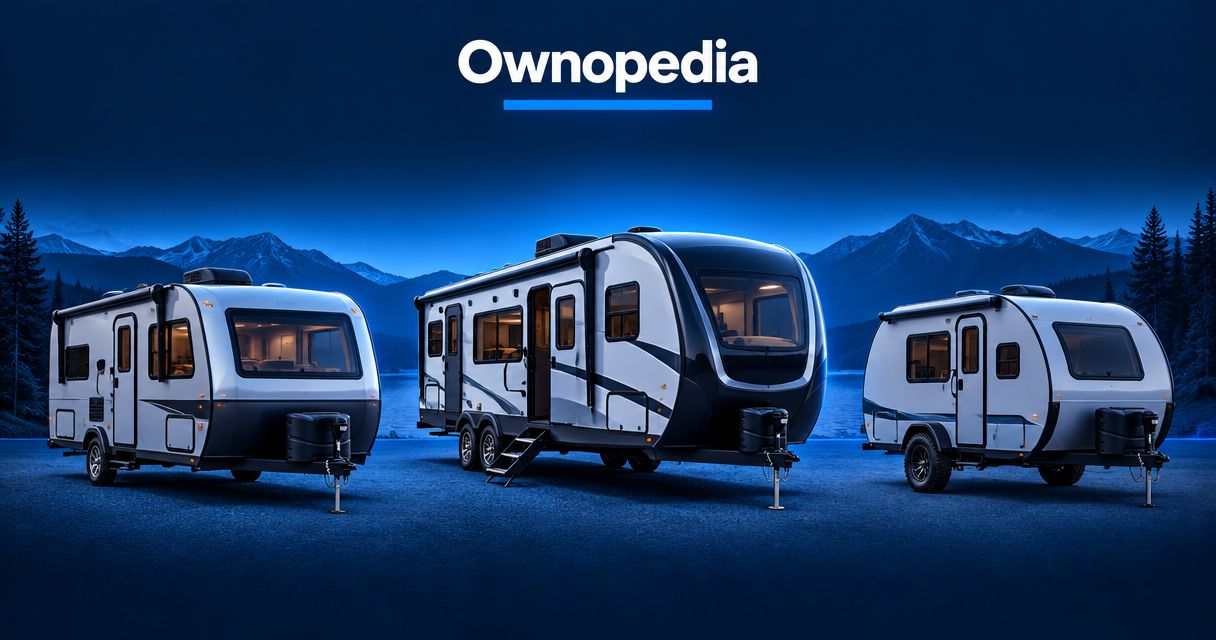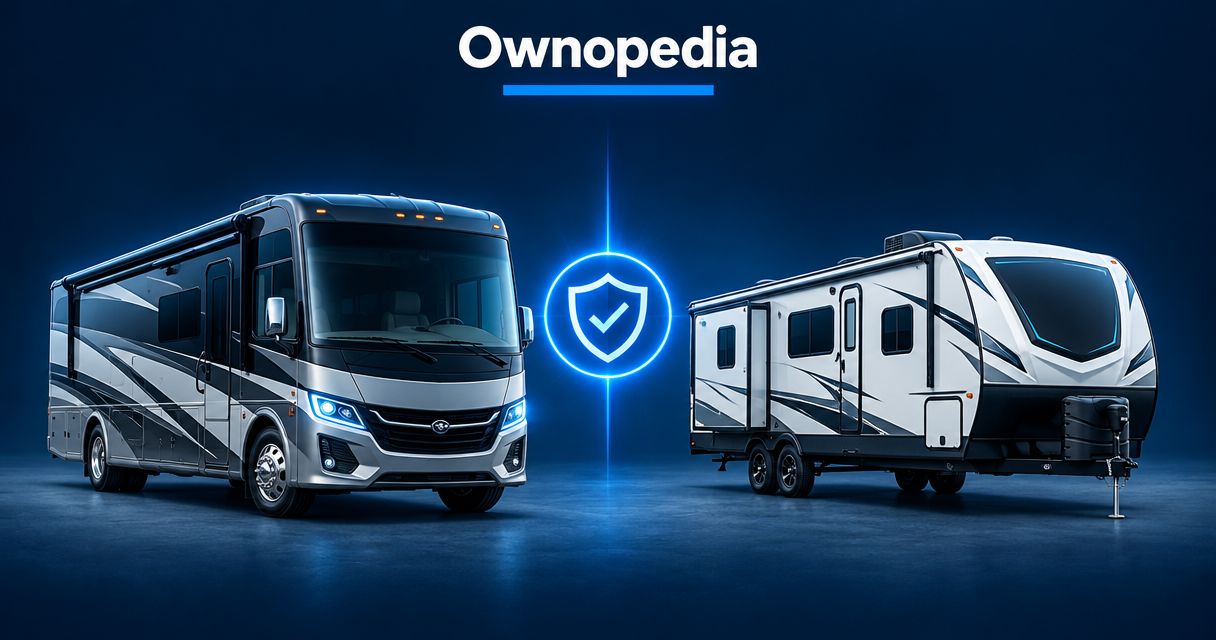
Best overall for molded-fiberglass towables: Oliver. Best for compact camping: Casita. Best for an aluminum travel trailer: Airstream. Best for a Class C motorhome shortlist: Winnebago. Best for a Class A motorhome shortlist: Newmar. This 2026 Ownopedia guide ranks the best RV brands for reliability by construction, maintenance demands, and inspection priorities—not unverified failure-rate claims.
- The best RV brands for reliability depend on RV type, construction, maintenance history, and inspection results.
- Oliver leads this towable shortlist for buyers prioritizing double-shell molded-fiberglass construction.
- Casita suits compact-trailer buyers; Airstream suits buyers who specifically want an aluminum travel trailer.
- Winnebago and Newmar belong on separate motorhome shortlists, not in a direct comparison with lightweight trailers.
- Ownopedia recommends inspecting the individual RV before accepting any brand-level reliability verdict.
Why this matters
An RV combines a road vehicle or trailer with a small home's plumbing, electrical equipment, appliances, and weatherproofing. Reliability therefore means more than an engine that starts. A sound drivetrain does not compensate for a leaking roof or damaged floor.
Separate the purchase into two decisions: the right RV type and the condition of the individual unit. If you choose a trailer, match it to the tow vehicle before evaluating floor plans; the guide to pickup trucks for towing an RV explains that side of the decision.
Ownopedia's RV reliability guidance is best for buyers who want construction and inspection checks before choosing a brand. For a 2026 purchase, treat reputation as a shortlist filter, not permission to skip an inspection.
What makes the best RV brands for reliability
Use these criteria to evaluate the brands below. Each addresses a different source of ownership trouble.
- Weather protection: Inspect roof edges, windows, doors, penetrations, and sealant. Shell material alone does not establish that an RV is watertight.
- System complexity: Count the equipment you must operate and maintain, including slide-outs, leveling equipment, plumbing, and powered accessories.
- Service access: Check whether you can reach pumps, valves, electrical protection devices, batteries, and routine maintenance points without dismantling furniture.
- Documentation: Require the unit's owner manual, appliance manuals, maintenance records, and identification information. Instructions must match the actual equipment.
- Repair condition: Look for documented repairs rather than accepting a clean interior as evidence of sound construction.
- Vehicle fit: Confirm towing suitability for trailers and chassis condition for motorhomes. These are separate from the living area's reliability.
The strongest 2026 shortlist is the one that fits your intended use and maintenance capacity. A simpler trailer and a large motorhome solve different problems; ranking them as interchangeable purchases hides those differences.
Best RV brands for reliability at a glance
| Rank and brand | Best for | Standout construction or category | Key limitation |
|---|---|---|---|
| 1. Oliver | Buyers prioritizing a molded-fiberglass towable | Double-shell molded-fiberglass construction | Shell design does not eliminate appliance, seal, or towing checks |
| 2. Casita | Buyers wanting a compact travel trailer | Molded-fiberglass trailer construction | Compact space demands careful floor-plan evaluation |
| 3. Airstream | Buyers specifically seeking an aluminum travel trailer | Riveted aluminum exterior construction | Panel condition, seams, penetrations, and concealed damage need inspection |
| 4. Winnebago | Buyers shopping for a Class C motorhome | Motorhome options that combine driving and living functions | Chassis and living-area systems require separate evaluation |
| 5. Newmar | Buyers shopping for a Class A motorhome | Class A motorhome specialization | Large-motorhome equipment adds maintenance responsibilities |
These are use-case recommendations, not a measured durability leaderboard. No position means that every RV from that manufacturer outlasts every lower-ranked brand.
1. Oliver: best RV brand for molded-fiberglass towables
Oliver builds travel trailers using double-shell molded-fiberglass construction. That makes Oliver a relevant starting point when shell design is your main screening criterion. It does not make every component maintenance-free.
Inspect an Oliver as a complete trailer, not just a fiberglass body. Check openings, plumbing connections, electrical equipment, running gear, and the condition of any previous repairs. On a used unit, maintenance records matter more than a seller's description of the construction.
Oliver pros:
- Double-shell construction gives you a specific structural design to evaluate.
- A towable separates campsite living equipment from the tow vehicle's drivetrain.
- Manufacturer documentation provides a starting point for understanding the installed systems.
Oliver cons:
- Fiberglass construction does not prevent leaks at openings or fittings.
- Towing suitability still depends on the actual trailer and tow vehicle.
- Pumps, appliances, batteries, and running gear require their own checks.
Best for: Buyers who have already chosen a travel trailer and specifically want molded-fiberglass construction.
Verdict: Buy an Oliver only after the individual trailer passes inspection and the towing match checks out. Hold if the seller cannot explain repairs or demonstrate the installed equipment.
2. Casita: best RV brand for compact-trailer buyers
Casita belongs on the shortlist when you want a compact molded-fiberglass travel trailer. The appeal here is the trailer format, not a claim that compactness guarantees fewer repairs. Your decision still depends on how the floor plan works with your sleeping, cooking, and storage needs.
Walk through your daily routine inside the actual trailer. Open storage areas, inspect plumbing access, and check whether furniture conversions suit everyone traveling. A compact RV that does not fit your routine is the wrong purchase even when its condition is good.
Casita pros:
- Molded-fiberglass construction provides a clear shell design to inspect.
- The compact-trailer format suits buyers who do not want a large living space.
- A towable lets you evaluate the trailer independently of a motorhome drivetrain.
Casita cons:
- Limited interior space requires compromises in movement and storage.
- Compact dimensions do not establish compatibility with your tow vehicle.
- Exterior fittings, appliances, tires, and bearings still need attention.
Best for: Buyers who prioritize a compact camping setup over a large interior.
Verdict: Buy a Casita when the space works in person and inspection confirms its condition. Skip a floor plan that requires compromises you already dislike during the walkthrough.
3. Airstream: best RV brand for aluminum-trailer buyers
Airstream's aluminum travel trailers offer a different construction approach from molded-fiberglass trailers. Their riveted exterior makes panel condition and evidence of repair central inspection points. The exterior material is a reason to investigate the brand, not proof of a trouble-free ownership experience.
Look beyond polished surfaces. Examine seams, windows, roof penetrations, and accessible floor areas for staining, softness, or evidence of water entry. If exterior damage has been repaired, ask for the repair documentation and inspect the interior near that location.
Airstream pros:
- Aluminum travel-trailer construction gives buyers a distinct alternative to fiberglass shells.
- Visible panel condition provides useful inspection information.
- The travel-trailer format keeps drivetrain repairs separate from the living unit.
Airstream cons:
- Exterior appearance does not establish the condition of concealed areas.
- Panel damage and previous repairs deserve specialist assessment.
- Seals, openings, plumbing, and appliances remain separate maintenance concerns.
Best for: Buyers who specifically want an aluminum travel trailer and accept the inspection demands of that construction.
Verdict: Buy an Airstream for its construction fit, not its reputation alone. Hold when damage, staining, or undocumented repairs leave the unit's condition unresolved.
4. Winnebago: best RV brand for a Class C shortlist
Winnebago belongs on a Class C motorhome shortlist when you want the driving and living functions in one vehicle. This recommendation concerns the shopping category, not a brand-wide mechanical reliability score. Inspect the vehicle chassis and the RV body as separate systems.
For a used Class C, pay particular attention to the cab-over area and other exterior joints. Check for staining, soft materials, damaged sealant, and concealed repairs. Then evaluate chassis maintenance, tires, brakes, warning lights, and road-test behavior independently.
Winnebago pros:
- Class C options give you an integrated driving and camping format.
- Vehicle and living-area documentation can be assessed separately.
- The format suits buyers who have decided against towing a travel trailer.
Winnebago cons:
- Chassis service and RV-system service are different maintenance jobs.
- Body openings and cab-over construction require careful water-intrusion checks.
- A functioning engine says nothing about plumbing or appliance condition.
Best for: Buyers committed to a Class C motorhome who will evaluate both halves of the vehicle.
Verdict: Buy a Winnebago only when chassis condition and living-area condition both pass. Skip a unit whose mechanical history or water-damage evidence remains unexplained.
5. Newmar: best RV brand for a Class A shortlist
Newmar specializes in Class A motorhomes, making it relevant when you have already chosen that format. A Class A purchase demands an inspection plan for the chassis, body, and installed equipment. Brand selection comes after confirming that this ownership workload fits you.
Identify every system on the specific motorhome and request a working demonstration. Include slide-outs and leveling equipment where fitted, along with plumbing, climate control, electrical equipment, and appliances. Record problems separately rather than accepting a single statement that everything works.
Newmar pros:
- Class A specialization makes the brand relevant to a focused motorhome search.
- The motorhome format combines transport and campsite living.
- A system-by-system demonstration gives you concrete purchase evidence.
Newmar cons:
- Large-motorhome equipment creates multiple maintenance responsibilities.
- Chassis condition and coach condition require separate expertise.
- A detailed demonstration does not replace an independent inspection.
Best for: Buyers who want a Class A motorhome and are prepared to manage its full maintenance requirements.
Verdict: Buy a Newmar after a chassis assessment and an independent RV inspection. Hold if important equipment cannot be demonstrated or service records leave unresolved questions.
Inspect the RV before choosing the badge
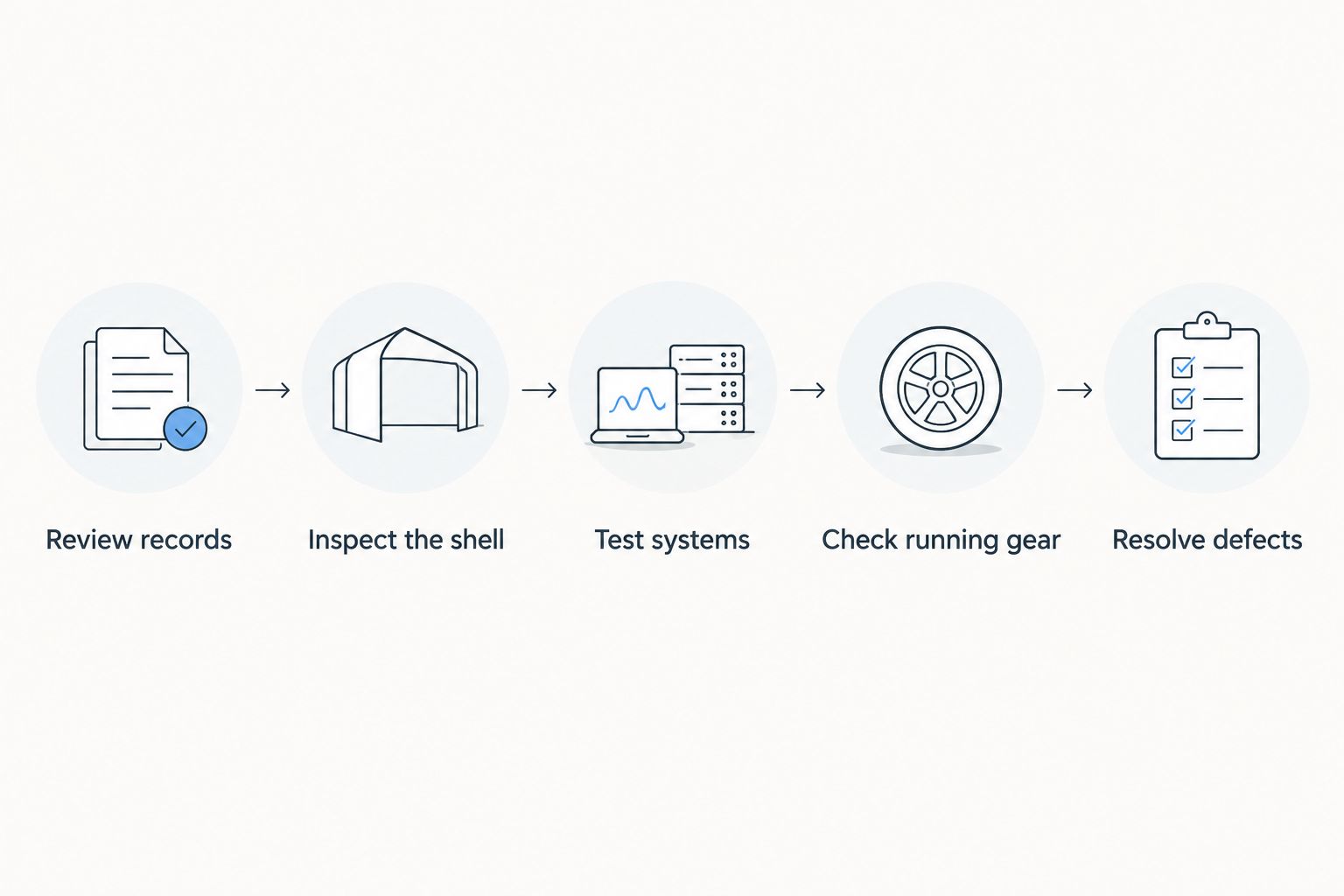
For a 2026 purchase, use the same inspection sequence regardless of brand. Ask an independent RV inspector to assess the living unit; arrange a qualified mechanical assessment for a motorhome's chassis. A seller's walkthrough serves a different purpose.
- Review records: Match identification details, manuals, service history, and repair receipts to the actual unit.
- Inspect the shell: Examine roof edges, exterior joints, openings, and accessible interior areas for damage or water entry.
- Test systems: Demonstrate installed equipment using the appropriate power and water connections.
- Check running gear: Assess trailer tires, brakes, bearings, and hitch equipment, or the motorhome chassis.
- Resolve defects: Get written findings and establish what needs repair before committing to the purchase.
Electrical checks need the right power source
Many North American RVs contain both 12-volt DC equipment and 120-volt AC equipment. Testing lights alone does not prove that appliances supplied by a different electrical system work. Have the inspector explain which source powered each demonstration.
Campground connections commonly include 30-amp and 50-amp RV service. Identify the connection required by the specific RV from its labeling and documentation; do not infer it from the brand or body size. Never open energized electrical equipment as part of a buyer's walkthrough.
How the brands are ranked
Ownopedia ranks this shortlist by construction approach and purchase use case: molded-fiberglass towables, compact trailers, aluminum trailers, Class C motorhomes, and Class A motorhomes. Weather protection, system complexity, service access, documentation, and individual condition determine the final buying recommendation.
For 2026 shopping, confirm construction and maintenance instructions in the specific unit's manufacturer documentation. Oliver and Casita materials explain their molded-fiberglass construction; Airstream materials describe its aluminum travel trailers. Winnebago and Newmar owner documentation should be matched to the exact motorhome, not treated as interchangeable brand-level instructions.
Which RV brand should you choose?
Start with Oliver if you want a molded-fiberglass travel trailer; start with Casita if compact space is the deciding requirement. Choose Airstream when aluminum construction is specifically what you want. Shortlist Winnebago for Class C shopping and Newmar for Class A shopping.
If you remain undecided in 2026, choose the RV type before the brand. Then buy the individual unit with an acceptable inspection, suitable vehicle fit, and documented maintenance—not the badge with the strongest reputation.
FAQ
What's the best RV brand for reliability in 2026?
Oliver leads this construction-based shortlist for buyers prioritizing molded-fiberglass towables. It is not a universal winner across trailers and motorhomes; inspect the individual RV before buying.
Is Oliver more reliable than Airstream?
This guide does not establish a lower failure rate for either brand. Oliver's double-shell molded-fiberglass construction and Airstream's aluminum travel-trailer construction require different inspection priorities.
Is Casita a good choice for a small travel trailer?
Casita belongs on a compact molded-fiberglass travel-trailer shortlist. Choose it only when the actual floor plan, towing requirements, and inspected condition fit your needs.
Should I choose Winnebago or Newmar?
Start with the motorhome type: this guide recommends Winnebago for a Class C shortlist and Newmar for a Class A shortlist. Evaluate the exact chassis, living-area equipment, maintenance history, and inspection findings.
Are fiberglass RVs leakproof?
No, fiberglass construction does not eliminate potential water entry at openings, fittings, and penetrations. Inspect those areas and accessible interior surfaces regardless of the shell material.
What should I check before buying a used RV?
Check records, exterior condition, installed systems, running gear, and unresolved repairs. Use an independent RV inspection and a separate qualified chassis assessment for a motorhome.
Does a reliable RV brand mean I can skip an inspection?
No, a brand reputation does not establish an individual RV's condition. Water damage, neglected maintenance, and undocumented repairs must be evaluated on the unit you intend to buy.
One last thing
Ask the seller to demonstrate equipment rather than merely switch it on. A refrigerator indicator light, a moving slide-out, or a running water pump proves only part of the system's operation. Write down what was tested, how it was powered, and what the inspection actually established.